An Eating Disorder Therapist’s Guide to Navigating the Holidays With Your Loved One
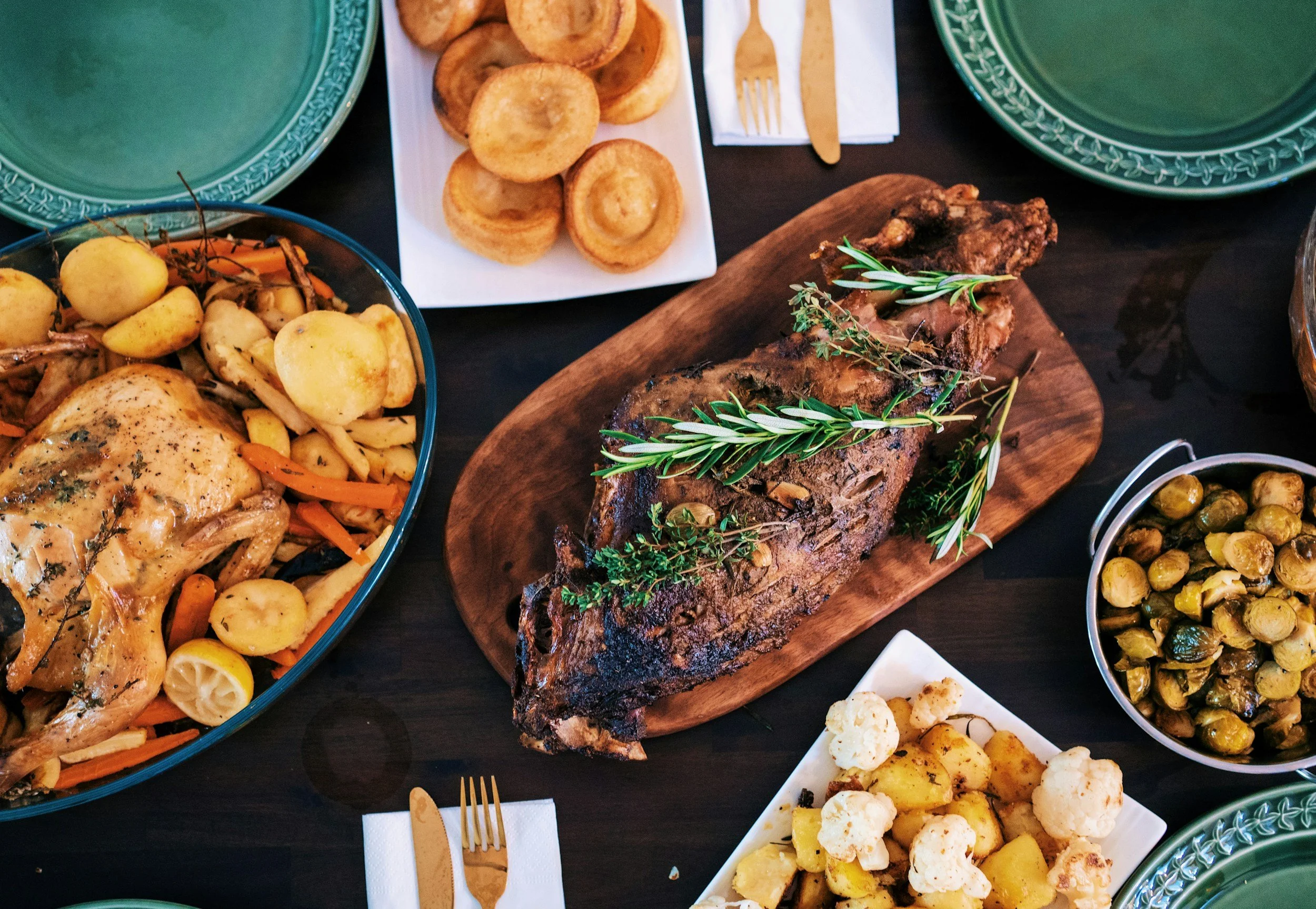
If you’re heading into the holiday season feeling unsure about how your loved one will handle the family meals, food traditions, and shifting routines, you’re not alone. Many caregivers start noticing changes this time of year—more worry about what’s being served, more questions about ingredients, or a new level of rigidity around plans. Behaviors that once looked like “healthy choices” might now feel concerning.
So, what can you do? Whether this is the first time you’re noticing these patterns, or you’ve been supporting a loved one for a longer period, the holidays can make everything feel more complicated. As an eating disorder therapist, I often remind families that you don’t have to support perfectly to support well.
1. Start With a Compassionate Conversation
You can read every article about eating disorder recovery during the holidays, but your loved one is still the expert on their own experience. Ask them what feels especially challenging right now and what might help them feel more supported.
Support might look like:
Sitting next to them during a difficult meal
Helping shift the conversation if others start talking about diets
Spending a quiet moment together away from the chaos
If your loved one isn’t ready to talk or doesn’t know what they need, that’s okay. Simply letting them know you’re available can reduce the pressure they may already be feeling.
2. Listen With Openness—Not Perfection
Often it’s easier for someone to explain what hasn’t been helpful before they can articulate what will be. If your loved one shares feedback, try to listen without becoming defensive.
You’re learning, too. Most of us were never taught how to support someone through an eating disorder. Openness creates trust. Defensiveness can shut the door. Even small shifts in how you respond can make meaningful moments of connection.
3. Model a Healthier Relationship With Food and Body Talk
In a culture obsessed with shrinking our bodies, the way you speak about food and your own body matters more than you may realize. People in eating disorder recovery often carry shame tied to eating, and your behavior can either reinforce or gently loosen that shame.
You can support your loved one by modeling:
Enjoying food without apology
Allowing yourself seconds
Treating dessert as a normal part of a meal
Speaking kindly about your body and others’ bodies
These cues can help create an environment where recovery—even in the messy holiday season—feels more possible.
4. Validate Their Experience
Holiday stress is real for everyone. When you add the challenges of an eating disorder—lack of routine, food everywhere, comments from relatives—it can feel overwhelming. Eating disorders crave predictability, and the holidays rarely provide it.
Let your loved one know their feelings make sense.
Try:
“I can see how hard this is. You’re not doing anything wrong.”
Validation doesn’t fix the struggle, but it reduces the isolation that so often fuels it.
5. Remember: Support Doesn’t Have to Be Perfect
Many caregivers want a clear, step-by-step guide to keep their loved one from feeling pain. That desire is so human. But recovery is nonlinear. What feels supportive today may not land the same way tomorrow. Something that didn’t help last month may be exactly what they need this week.
You don’t have to say the right thing every time.
You don’t have to predict every challenge.
You just have to show up—with compassion, curiosity, and patience.
That is enough.
Eating disorders are complex, often tied to experiences far deeper than food or weight. If you’re unsure how to support your loved one—or how to care for yourself during this process—reaching out to an eating disorder therapist can be an important step. Sometimes an outside perspective helps turn a stressful holiday season into an opportunity for healing and connection.
You and your loved one don’t have to navigate this alone—on a holiday or any other day.
Looking for more support around the holidays?
📩 Reach out here to schedule a free consultation
🧠 Support available for body image, disordered eating, anxiety, and depression
💬 Virtual and in-person sessions available
